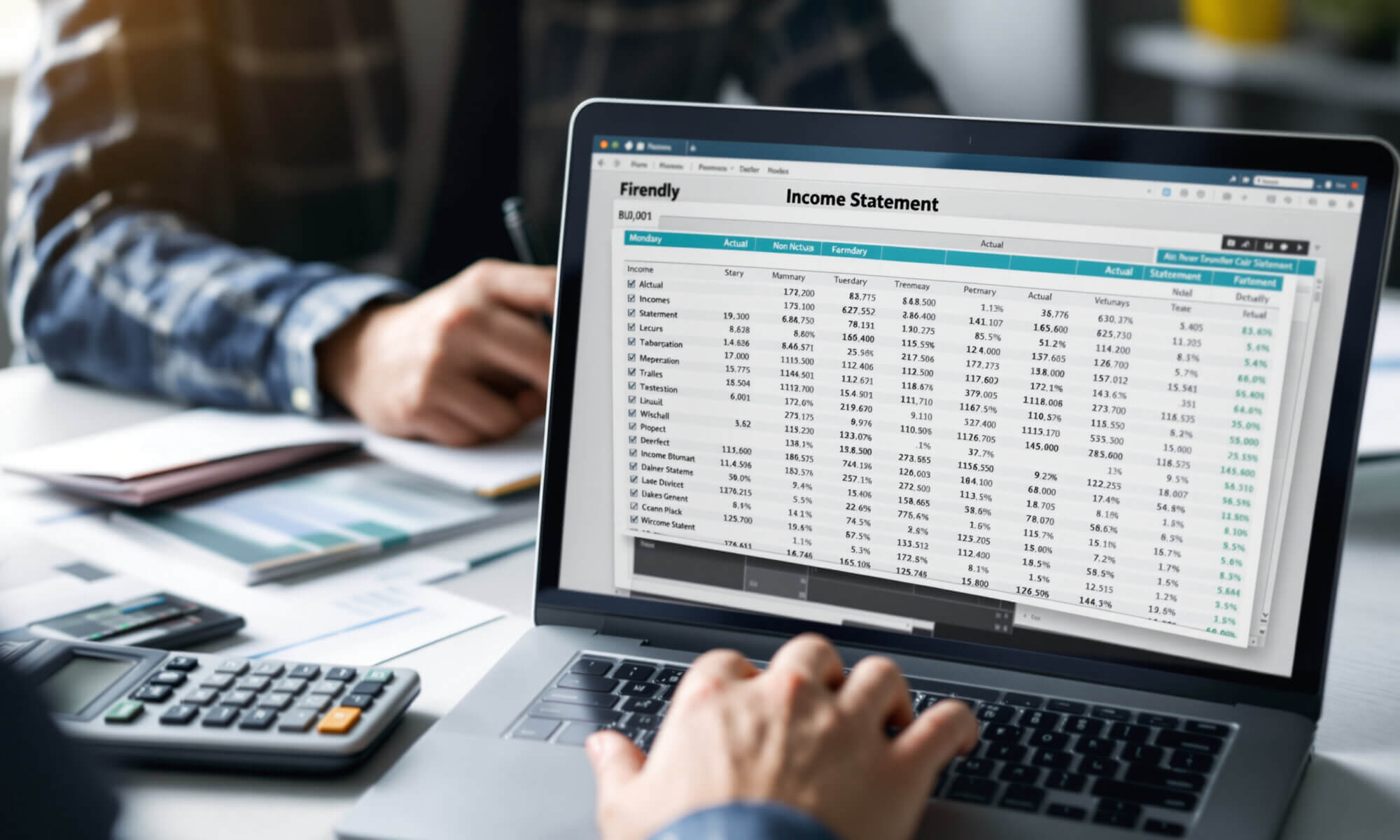

Excel vs Python for Finance: What Should You Learn First?

Excel vs Python for Finance: What Should You Learn First?

For most finance beginners, Excel should come first because it teaches you how financial statements, budgets, and valuation models fit together in a visible grid. Python should come first only when your target role is strongly focused on quantitative analysis, large datasets, or software development. The practical answer to Excel vs Python for finance is

5 Free Finance Courses: What You Can Actually Access

5 Free Finance Courses: What You Can Actually Access

The best free finance courses for beginners depend on what you want to learn. Khan Academy offers the broadest personal-finance curriculum, two OpenLearn courses provide structured short programs, edX offers limited audit access to a HarvardX investing course, and Alison covers personal finance and credit. All five let you study without paying, but free access

9 Excel Functions Every Beginner Finance Analyst Needs

9 Excel Functions Every Beginner Finance Analyst Needs

The most useful Excel functions for financial analysts help you total data, apply criteria, test assumptions, retrieve records, and evaluate financing or investment cash flows. Start with SUM, SUMIFS, AVERAGEIFS, IF, IFERROR, and XLOOKUP for everyday analysis. Then learn PMT, NPV, and XIRR for loans and cash flow valuation. The examples below show the inputs,

5 AI Workflows for Finance Beginners, With Human Checks

5 AI Workflows for Finance Beginners, With Human Checks

AI for financial analysis beginners is most useful as a drafting and learning aid, not an unquestioned source of answers. You can use it to explain concepts, propose spreadsheet formulas, classify practice data, summarize public reports, and review variance commentary. Each workflow still needs a human check because an AI system can misread context, omit

7 Accounting Practice Exercises for Finance Beginners

7 Accounting Practice Exercises for Finance Beginners

These accounting practice exercises for beginners show how seven common transactions affect journal entries and the accounting equation. You’ll work through owner funding, equipment, credit sales, collections, prepayments, depreciation, and accrued costs. Each hypothetical exercise includes a question, a worked answer, and a balance check so you can see why total assets must always equal

How to Build a 13-Week Cash Flow Forecast in Excel

How to Build a 13-Week Cash Flow Forecast in Excel

A 13 week cash flow forecast Excel model tracks expected cash receipts and payments by week. Start with available cash, add forecast receipts, subtract forecast payments, and carry each closing balance into the following week. This direct-method structure helps a business identify potential cash shortages, test collection delays, and decide when management needs to investigate

FP&A vs Accounting: Which Career Fits Your Strengths?

FP&A vs Accounting: Which Career Fits Your Strengths?

The main difference in FP&A vs accounting careers is orientation: accounting records and reports what happened, while financial planning and analysis (FP&A) helps management plan what could happen next. Accounting may suit you if you value accuracy, defined standards, and controlled processes. FP&A may fit better if you enjoy forecasting, explaining business performance, and working

Budget vs Actual Analysis in Excel: A Worked Example

Budget vs Actual Analysis in Excel: A Worked Example

A budget vs actual analysis in Excel compares planned financial results with recorded results, calculates the differences, and identifies which items need attention. You can build one with columns for budget, actual, absolute variance, percentage variance, and status. The worked example below uses hypothetical monthly revenue, expenses, and profit, with formulas you can copy into

Learn Finance in 30 Days: A Practical Beginner’s Plan

Learn Finance in 30 Days: A Practical Beginner’s Plan

You can learn finance in 30 days well enough to read basic financial statements, perform useful Excel calculations, and analyze a simple business. You won’t achieve professional mastery in a month, but you can build a practical foundation through 45 to 75 minutes of daily study. This plan includes five catch-up days, weekly deliverables, and

9 Financial Modeling Mistakes and How to Catch Them

9 Financial Modeling Mistakes and How to Catch Them

Most financial modeling mistakes come from inconsistent inputs, formulas, or logic rather than difficult mathematics. You can catch many of them by separating assumptions, standardizing units and periods, tracing links, and building explicit checks. The nine errors below show what can go wrong, why it matters, and which diagnostic test or corrected formula can expose

5 Financial Analyst Portfolio Projects for Beginners

5 Financial Analyst Portfolio Projects for Beginners

Strong financial analyst portfolio projects show how you turn raw data into a decision, not simply whether you can format a spreadsheet. Beginners can demonstrate that ability through five practical assignments: financial statement analysis, budget variance analysis, cash forecasting, a credit memo, and project appraisal. Each project below includes suitable data, a repeatable process, expected

CFA vs FMVA vs Investment Foundations: Which Fits You?

CFA vs FMVA vs Investment Foundations: Which Fits You?

The CFA vs FMVA choice depends on the work you want to do. The Chartered Financial Analyst (CFA) Program is the deepest route for investment analysis and portfolio management. The Financial Modeling & Valuation Analyst (FMVA) program emphasizes spreadsheet-based modeling and valuation. The Investment Foundations Certificate provides a shorter introduction to how the investment industry

Credit Analyst Case Study: Assess a Business Loan

Credit Analyst Case Study: Assess a Business Loan

This credit analyst case study asks you to evaluate a hypothetical USD 300,000 business loan. Your decision should focus on three questions: Can the borrower generate enough cash for its debt payments? Is total debt reasonable relative to earnings? Does the company have enough liquidity to manage short-term obligations? Review the application, calculate the ratios,

Finance Job Interview Tips: Land Your Dream Job!

Finance Job Interview Tips: Land Your Dream Job!

Preparing for entry level finance interview questions means practicing three things: explaining your motivation, understanding basic financial concepts, and describing how you handle real work. The 15 questions below include sample answers and calculations for junior corporate finance and financial administration roles. Use them to structure your preparation, then adapt each response to the vacancy

Financial vs Accounting

Financial vs Accounting

The main difference between finance and accounting is their purpose. Accounting records, measures, and reports a business’s financial activity. Finance evaluates how to fund operations, manage cash, and allocate money. Their responsibilities overlap, especially in budgeting and performance analysis. Comparing how each contributes to everyday business tasks gives you a clearer picture than treating accounting