CapEx vs OpEx: Why the Difference Matters

Industrial production facility with a newly installed robotic machine and a technician inspecting routine maintenance equipment

Capital expenditures (CapEx) are investments in assets that a company expects to use over multiple years, while operating expenses (OpEx) are costs recognized from running the business. The difference matters because CapEx and OpEx affect reported profits, asset values, cash flow, and financial forecasts in different ways. A company can report strong earnings while spending

Finance Interview Quiz: 12 Technical Questions With Answers

Candidate preparing for a finance job interview with notes and a laptop

Preparing for an investment banking, audit, transaction services or markets interview? These 12 technical questions come up again and again. Click an answer to see the explanation. How to prepare for technical questions Accounting: be able to walk any change through the three statements (income statement, balance sheet, cash flow statement). Valuation: master the bridge

Debt-to-Equity and Interest Coverage: A CoreWeave Case Study

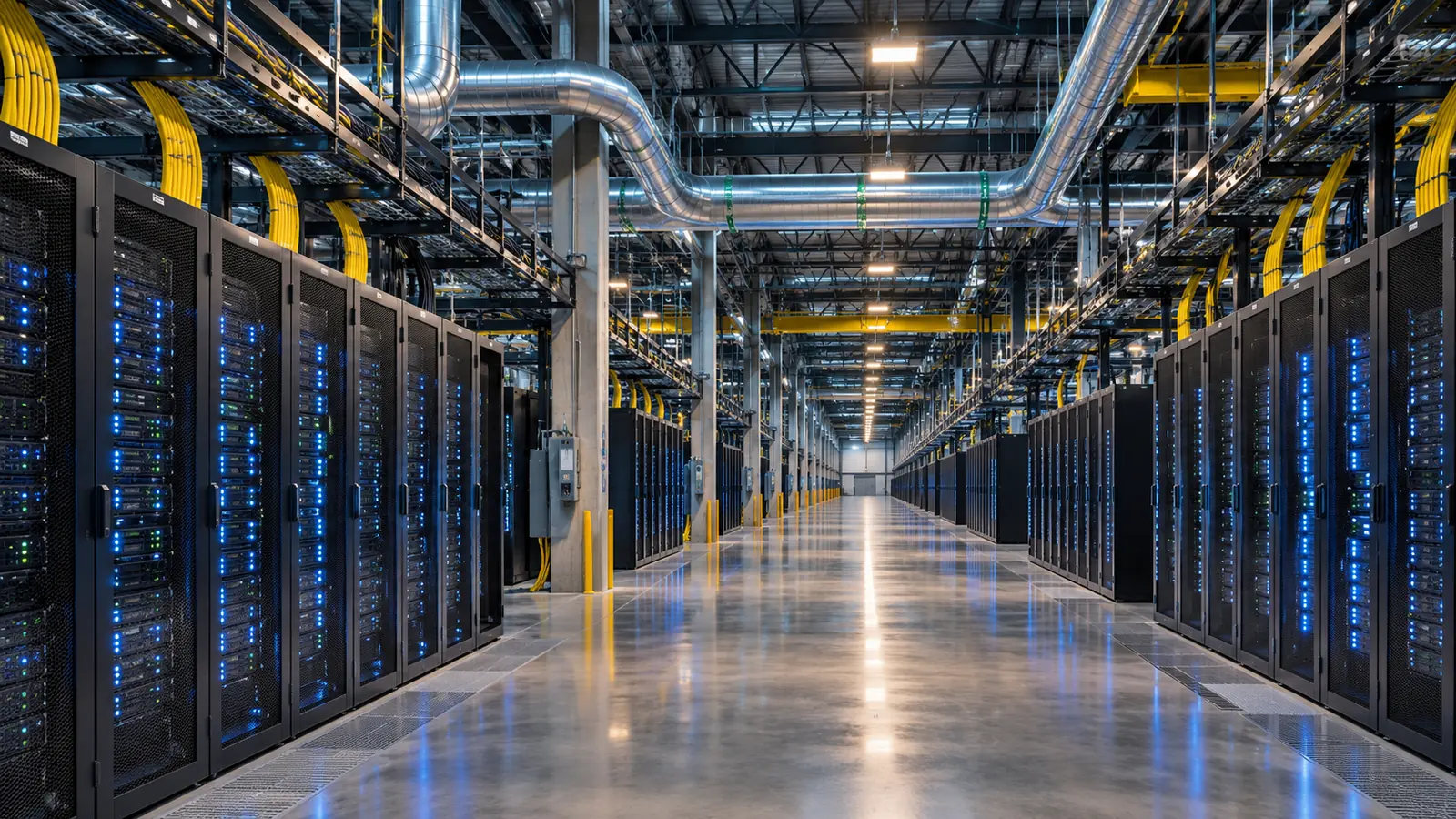
Wide interior view of a data center aisle with server racks, overhead cabling and cooling systems, representing capital-intensive AI infrastructure.

Debt-to-equity measures how much borrowing a company carries relative to its accounting equity, while interest coverage measures how comfortably operating earnings cover interest expense. CoreWeave offers a useful example: as of September 30, 2026, it had roughly $11.81 of debt, including finance leases, for every $1 of stockholders’ equity, and its third-quarter operating income covered

Best Excel Add-Ins for Financial Analysts in 2026: 10 Tools Compared

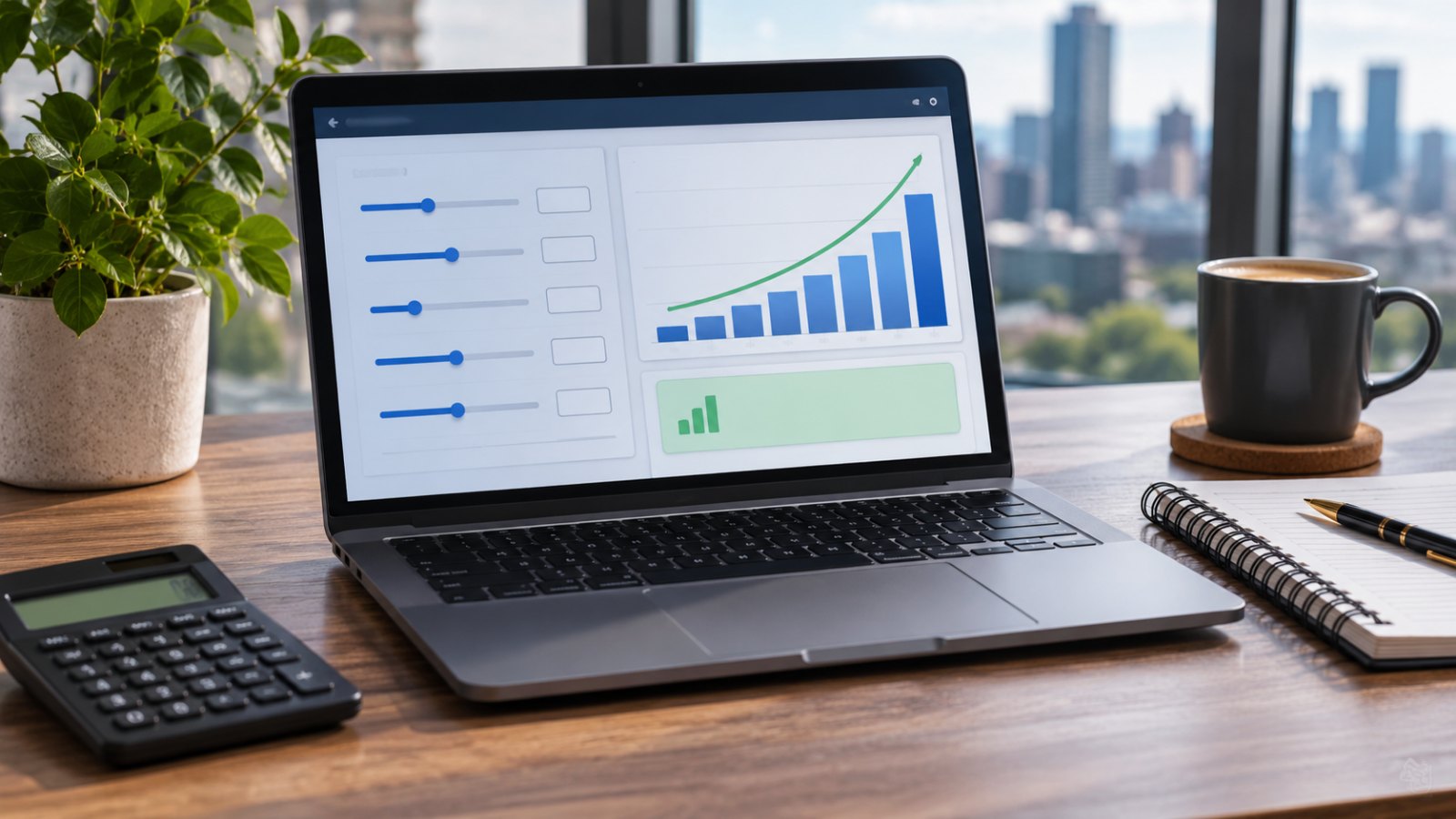
Financial analyst workstation with financial spreadsheets, valuation charts, and a calculator overlooking a modern city.

The best Excel add-in for a financial analyst depends on the work being done. Bloomberg, FactSet, S&P Capital IQ Pro, and LSEG Workspace help institutional teams bring licensed financial data into models. Daloopa targets company-model updates, while Macabacus improves modeling and presentation workflows. Wisesheets and MarketXLS offer published subscription prices, and the Federal Reserve’s FRED

10 Best Financial Data APIs for Stock Analysis in 2026

Analyst workstation with financial market data dashboards and server infrastructure, illustrating stock analysis APIs

The best financial data APIs for stock analysis in 2026 serve different jobs. Financial Modeling Prep (FMP) is a practical starting point for standardized company financials, SEC EDGAR is the authoritative free source for U.S. filings, and Massive (formerly Polygon.io) is a strong choice for detailed U.S. market prices. It is an editorial comparison of

Best SEC Filing and 10-K Research Tools in 2026

Open annual report and financial statements beside a research laptop, magnifying glass, and analyst desk materials

The best SEC filing and 10-K research tools in 2026 serve different jobs. SEC EDGAR is the authoritative free source. BamSEC and CapEdge streamline document searches, while AlphaSense and Quartr suit research teams that need broader evidence. Financial platforms such as TIKR and Koyfin put filings beside operating data; SEC-API.io is built for developers. The

10 Best Financial Statement Databases for Fundamental Analysis

Open annual-report financial statements, printed data tables, and an analyst spreadsheet on a desk

A good financial statement database should let you verify revenue, earnings, assets, liabilities, and cash flow without confusing fiscal periods or accounting definitions. The best financial statement databases differ in what they offer: free regulatory filings, standardized company histories, sector-specific metrics, downloadable tables, or programmatic access. This comparison evaluates 10 options for U.S. stock investors,