
Understanding the Semiconductor Cycle: Revenue, Inventory, and CAPEX

Semiconductor fabrication facility with robotic equipment and a colorful silicon wafer in a modern cleanroom

The semiconductor cycle is the recurring expansion and contraction of chip demand, inventory, production, and capital spending. It happens because customers can change orders quickly, while chipmakers need time and substantial investment to adjust manufacturing capacity. To understand where a company may be in that cycle, analyze revenue, inventory, and capital expenditures (CapEx) together, then

How to Analyze Nvidia, AMD, and Broadcom Financial Statements

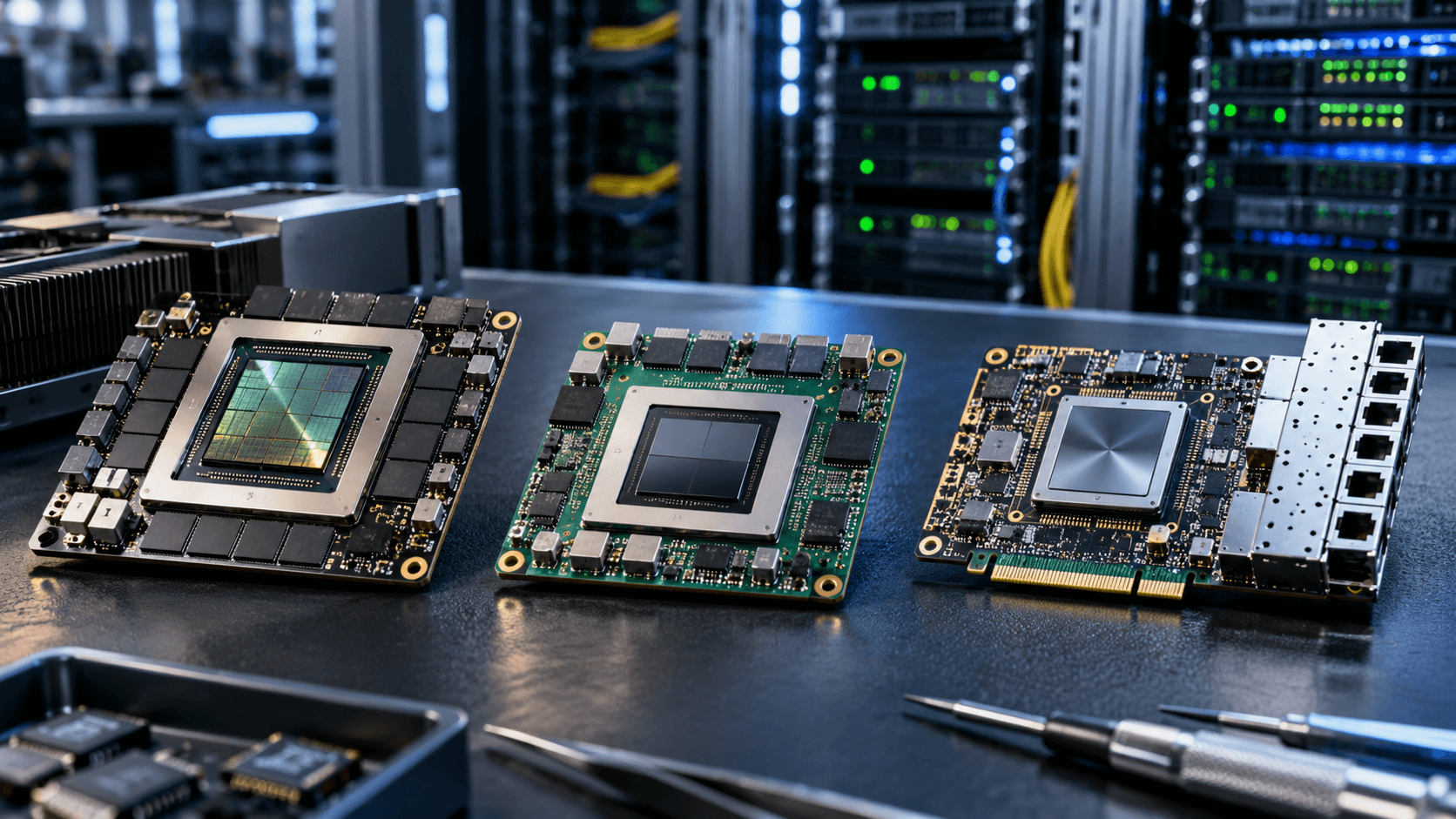
Three unbranded semiconductor accelerator boards on a technology lab workbench with server racks in the background.

How do you analyze Nvidia, AMD, and Broadcom financial statements? Start with their business segments, compare revenue growth and GAAP margins, reconcile operating profit with cash flow, then inspect working capital, debt, and non-GAAP adjustments. The same financial ratio can mean something different for each company because their product mixes and funding requirements are different.

How to Identify an Economic Moat in a Public Company

Customer using contactless payment at a busy retail checkout, illustrating the network effects behind payment infrastructure.

An economic moat is a durable competitive advantage that helps a company defend its profits and earn returns above its cost of capital despite competition. To identify one in a public company, look for a structural reason rivals cannot easily copy its economics, then verify that advantage in financial statements over several years. High revenue

How to Analyze SaaS Companies Using ARR, RPO, and Free Cash Flow

Financial analyst reviewing subscription growth and cash flow dashboards with cloud infrastructure servers in the background

The best way to analyze a software-as-a-service (SaaS) company is to connect three measures: annual recurring revenue (ARR) shows the current subscription run rate, remaining performance obligations (RPO) show revenue associated with contractual services still to be delivered, and free cash flow (FCF) shows how much cash the business generates after investment. None is sufficient

How to Present a Finance Portfolio in a Job Interview

How to Present a Finance Portfolio in a Job Interview

To learn how to present a finance portfolio effectively, focus on one completed project and explain it as a decision-making story. In five minutes, cover the business question, data, assumptions, method, findings, recommendation, and limitations. Give the interviewer a one-page summary, show only the most relevant model outputs, and be prepared to explain both your

Best Stock Valuation and DCF Software in 2026: 9 Tools Compared

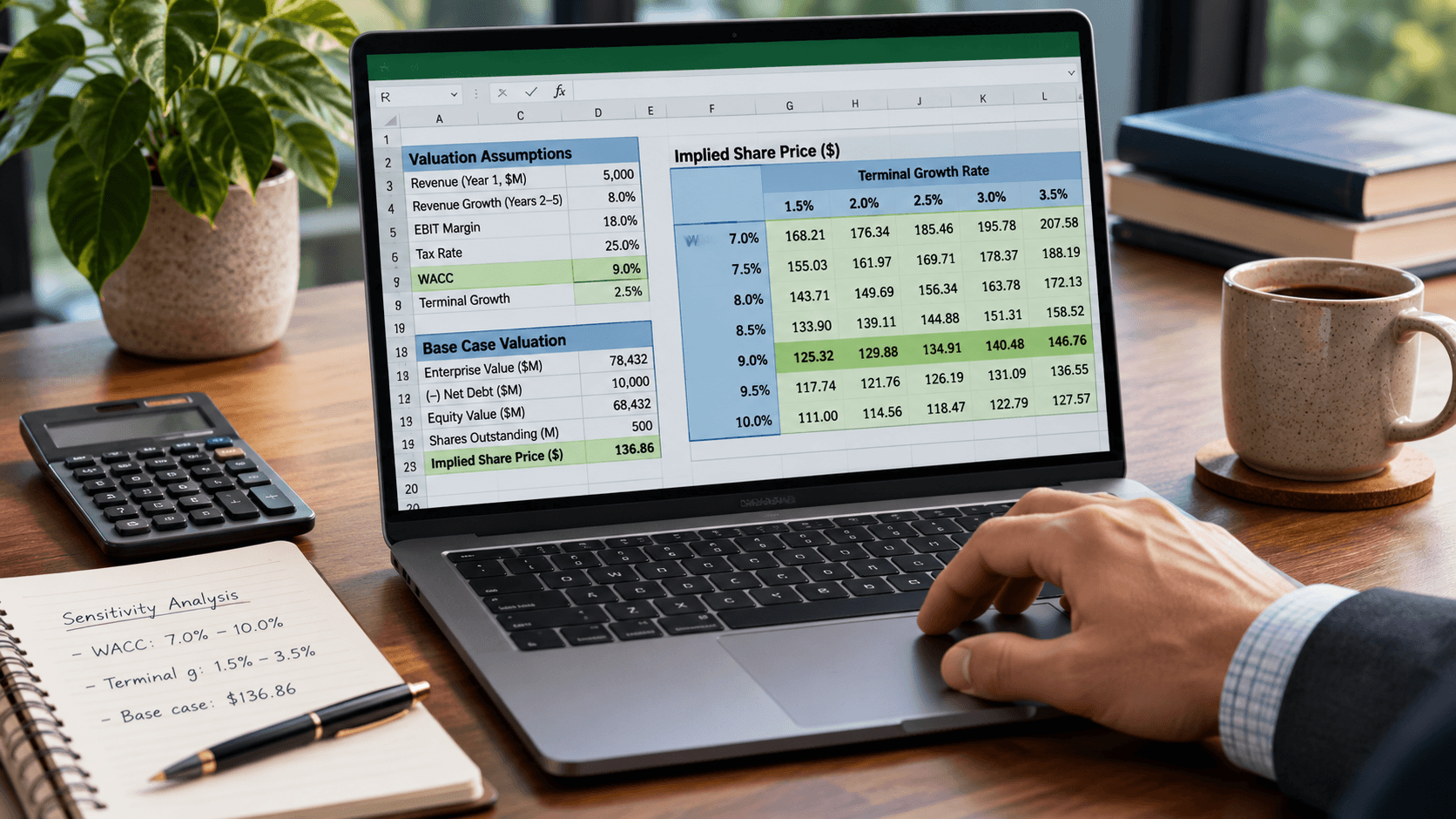
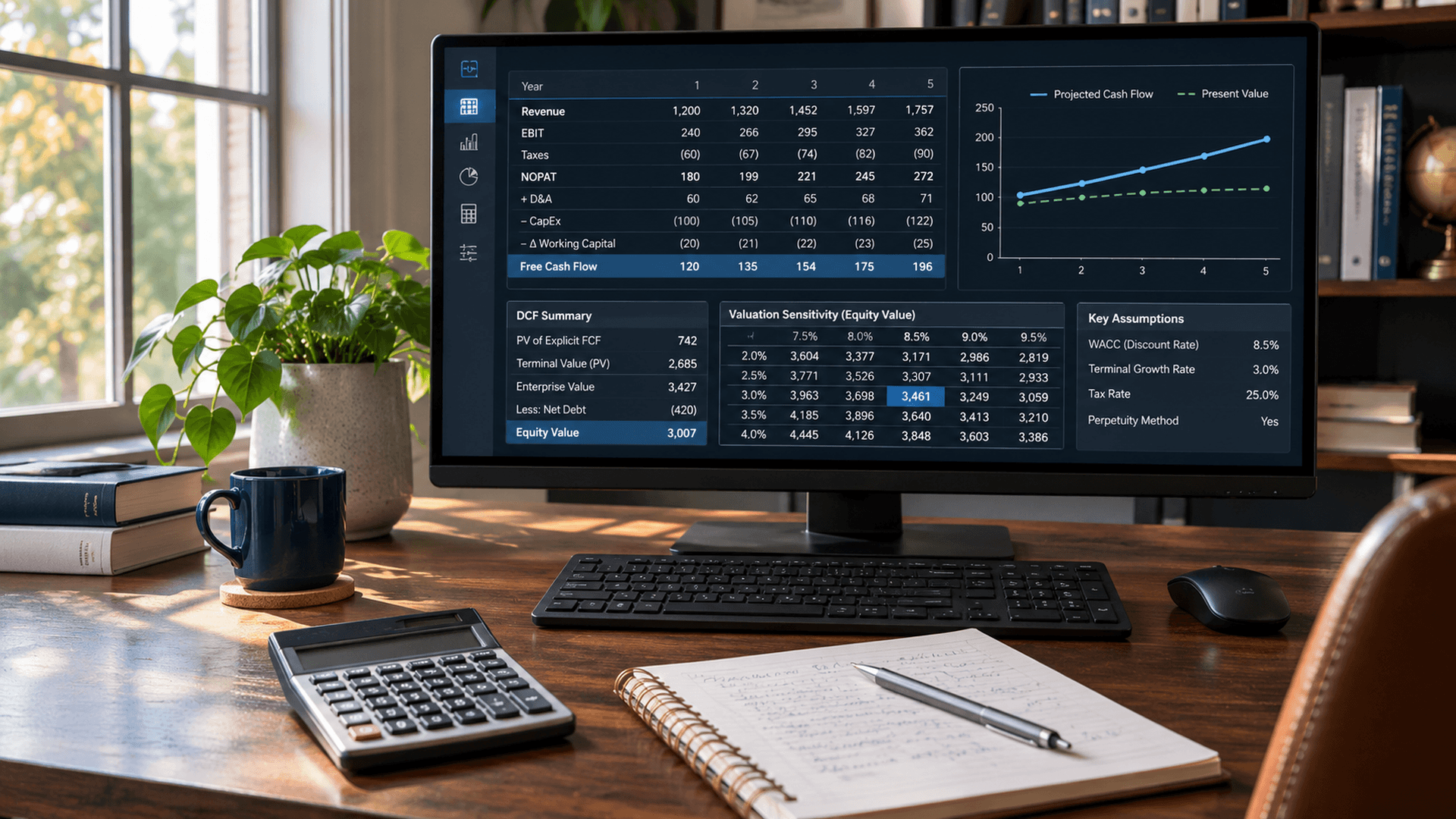
Analyst workstation with a valuation dashboard, calculator and financial modeling notebook

The best stock valuation software depends on whether you need a quick intrinsic-value estimate, an editable discounted cash flow (DCF) model, or financial data for your own analysis. Alpha Spread is useful for a quick valuation screen. Fiscal.ai and Finbox offer more ways to examine assumptions. Morningstar Investor provides analyst-based fair-value estimates, while Microsoft Excel

Excel vs Python for Finance: What Should You Learn First?

Excel vs Python for Finance: What Should You Learn First?

For most finance beginners, Excel should come first because it teaches you how financial statements, budgets, and valuation models fit together in a visible grid. Python should come first only when your target role is strongly focused on quantitative analysis, large datasets, or software development. The practical answer to Excel vs Python for finance is

What Is ROIC? How to Measure a Company’s Profitability

An operations analyst examines automated manufacturing equipment, illustrating capital invested in a business

Return on invested capital (ROIC) measures how much after-tax operating profit a company earns from the capital invested in its business. It helps investors and analysts determine whether a company is using its debt and equity financing productively. The basic formula is ROIC = net operating profit after tax (NOPAT) ÷ average invested capital ×

5 Free Finance Courses: What You Can Actually Access

5 Free Finance Courses: What You Can Actually Access

The best free finance courses for beginners depend on what you want to learn. Khan Academy offers the broadest personal-finance curriculum, two OpenLearn courses provide structured short programs, edX offers limited audit access to a HarvardX investing course, and Alison covers personal finance and credit. All five let you study without paying, but free access

Why AI Capital Spending Can Reduce Free Cash Flow

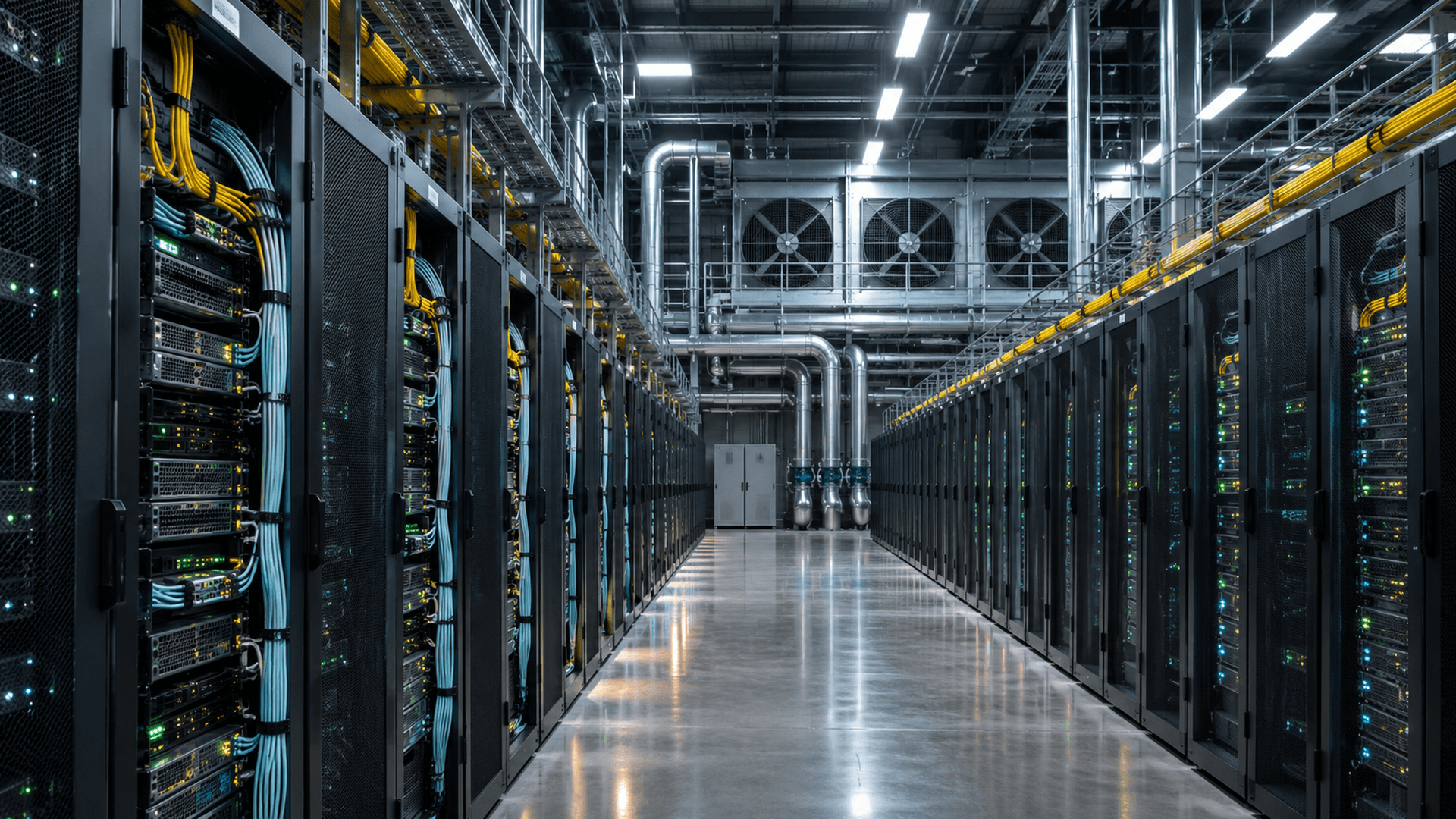
Aisle of AI data center server racks with dense networking cables, industrial cooling equipment and overhead electrical infrastructure.

AI capital spending can reduce free cash flow even when a technology company is growing rapidly and reporting higher profits. The reason is timing: building AI data centers and buying processors require cash today, while the revenue and productivity benefits may arrive over several years. The investments can create long-term value, but the initial cash